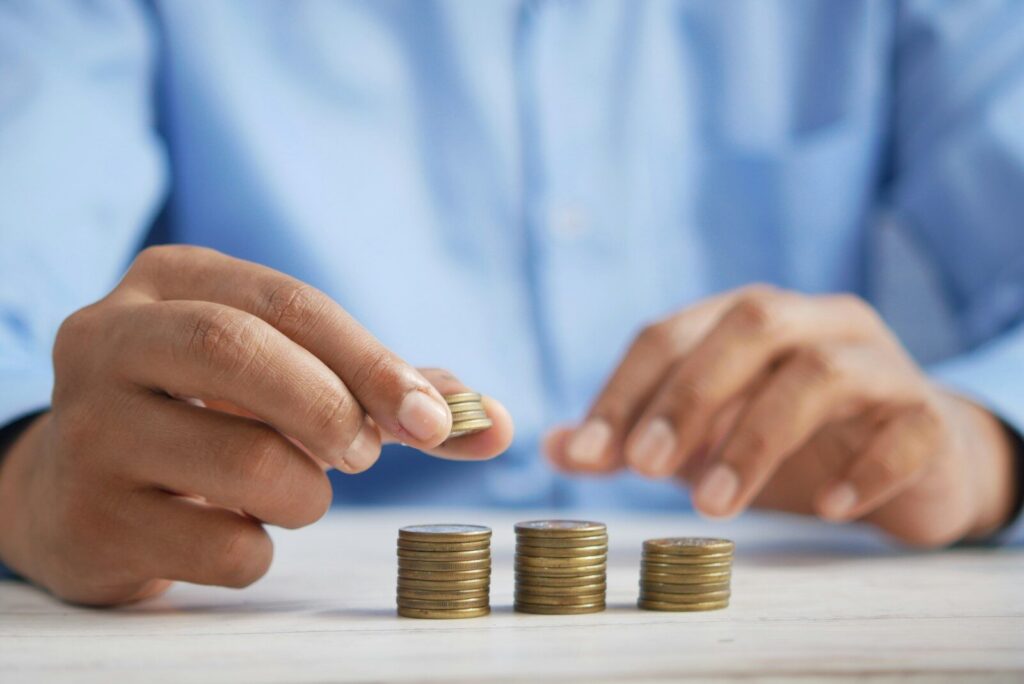

Every financial decision is a tradeoff.
When you spend money in one place, you’re choosing not to use it somewhere else—even if you don’t think about it that way.
That’s opportunity cost.
What Opportunity Cost Actually Means
In simple terms, every dollar you spend is a dollar you can’t use for something else.
That “something else” is the opportunity cost.
Small Decisions That Add Up
Individually, small purchases feel insignificant. But over time, they compound.
Examples:
- Daily convenience spending
- Multiple subscriptions
- Frequent upgrades
The issue isn’t the spending itself—it’s the lack of awareness of alternatives.
Big Decisions With Bigger Tradeoffs
Larger choices carry more weight.
- A more expensive car may mean less investing
- A bigger home may reduce flexibility
- A lower-paying job may buy time but cost future earnings
None of these are automatically wrong. They just come with tradeoffs.
Time Is A Financial Resource
Opportunity cost isn’t just about money.
It’s also about time.
- Working more hours increases income but reduces freedom
- Saving time often costs money
Every decision balances the two.
Using Opportunity Cost Without Becoming Miserable
This isn’t about guilt. It’s about awareness.
Instead of asking, “Can I afford this?”
Ask, “What am I choosing instead?”
This shifts your mindset from restriction to intention.
A Better Way To Think About Spending
Every purchase is a decision between two futures. Not spend vs save, but his outcome vs that outcome.
When you see it that way, your choices become clearer—and more aligned with what actually matters to you.