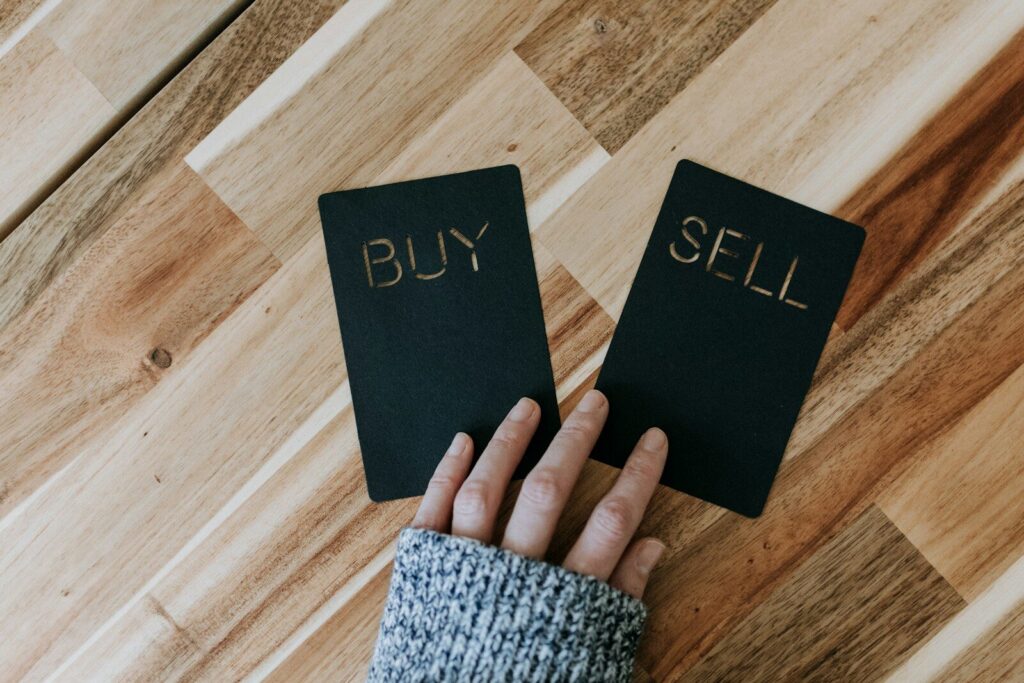
Understanding the psychology behind impulse buying is not about eliminating enjoyment. It is about recognizing the triggers that quietly influence behavior and building realistic strategies to interrupt the cycle.
Impulse buying is rarely about the item itself. It is about emotion, environment, and timing. Most people do not plan to overspend. They react to a moment, such as a flash sale, a stressful day, a social media post, or a subtle feeling of reward.
These decisions often feel small and harmless, yet over time they can undermine larger financial goals.
Emotional Triggers That Drive Quick Purchases
Stress is one of the strongest triggers for impulse buying. After a demanding day, the brain seeks relief. Small purchases provide a quick dopamine boost, offering a sense of control or a sense of reward. The purchase becomes less about the product and more about emotional regulation.
Boredom can have a similar effect. Scrolling through shopping apps or browsing online stores fills idle time and creates stimulation. Algorithms amplify this pattern by presenting personalized suggestions, reducing friction between desire and action.
Celebratory emotions also drive impulse spending. Promotions, milestones, or even payday itself can trigger a “treat yourself” mindset. While occasional rewards are healthy, unplanned celebrations can accumulate into consistent overspending when they become automatic responses.
Explore Why ‘Treat Yourself’ Can Derail Long-Term Goals for insight into reward-based spending
Environmental Design and Digital Friction
Retail environments, both physical and digital, are engineered to encourage impulse decisions. Limited-time offers create urgency. Free shipping thresholds nudge larger cart sizes. One-click checkout removes deliberation.
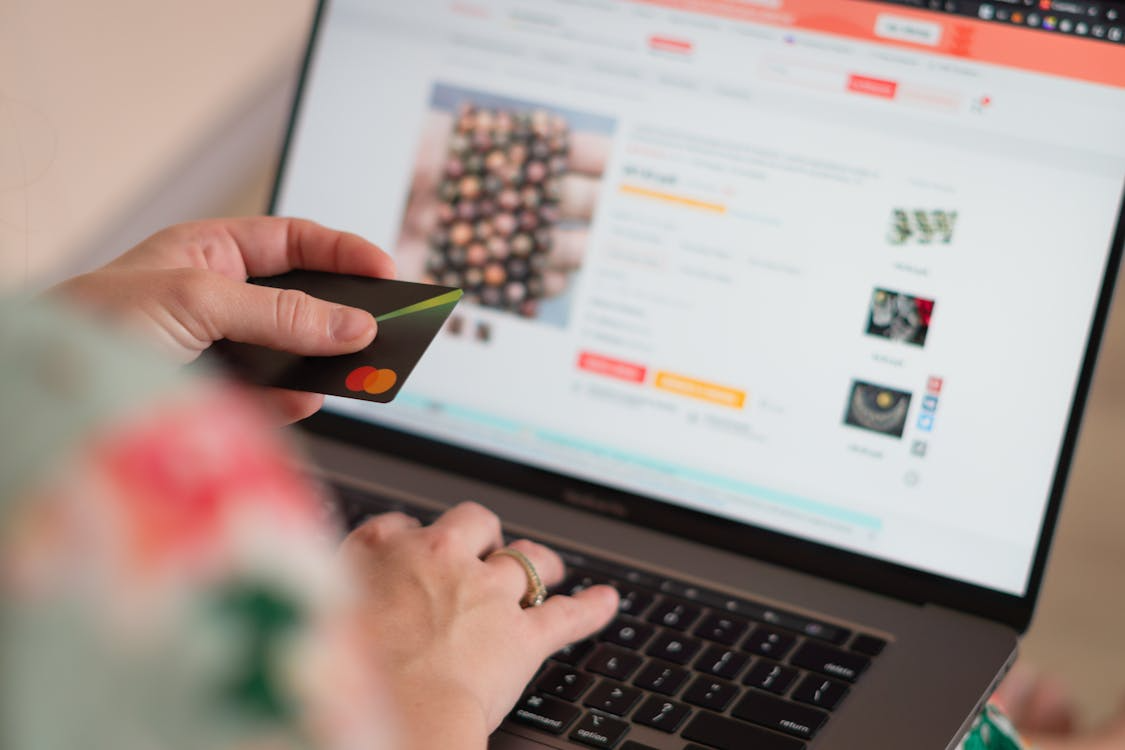
Online shopping increases vulnerability because it reduces physical cues of spending. There is no exchange of cash, no visible depletion of a wallet. The transaction feels abstract, making it easier to underestimate cumulative impact.
Awareness alone is not always enough. Intentionally adding friction can disrupt automatic behavior. Removing saved credit cards, disabling one-click purchases, or logging out after each session introduces a pause that forces reconsideration.
See The Smart Way To Use Credit Cards to add structure to digital purchases.
The Comparison Effect
Social comparison amplifies impulse buying. Seeing curated lifestyles on social media can create subtle pressure to upgrade clothing, gadgets, travel experiences, or home décor. The desire to keep up does not always feel competitive; it often feels like falling behind.
This comparison effect triggers spending that aligns more with external validation than personal values. A helpful exercise is identifying whether a purchase is driven by personal utility or social visibility. If the value depends heavily on how others will perceive it, the motivation may be externally fueled.
Anchoring purchases to clearly defined personal priorities reduces the influence of comparison. When goals are explicit, external signals lose some persuasive power.
Consider The Hidden Cost Of Keeping Up With Friends to understand social spending pressure.
Interrupting the Impulse Without Extreme Restriction
Rigid budgeting systems can sometimes backfire, creating deprivation that later triggers larger spending binges. A more sustainable strategy is structured flexibility.
One approach is implementing a “cooling-off rule” for nonessential purchases above a certain threshold. Even a 24-hour delay significantly reduces the likelihood of impulsive decisions. During that pause, ask: “Will this still matter in a month?” or “What long-term goal competes with this purchase?”
Another strategy is creating a designated discretionary fund. Allocating a fixed monthly amount for spontaneous spending removes guilt while maintaining control. When the fund is exhausted, additional purchases wait until the next cycle.
Learn How Emotions Drive Financial Decisions for deeper insight into spending triggers.
Building Awareness Through Tracking
Impulse buying often thrives in invisibility. Small purchases feel insignificant until reviewed collectively. Tracking discretionary spending monthly can reveal patterns that were previously unnoticed.
Rather than judging the spending, examine the context. Was the purchase made late at night? After a stressful event? During idle scrolling? Identifying patterns helps address root causes rather than focusing solely on outcomes.
Impulse buying is a human behavior shaped by emotion, environment, and habit. It is not a sign of weakness or lack of intelligence. By understanding triggers, increasing friction in purchasing systems, and building intentional flexibility, you can reduce reactive spending without eliminating enjoyment.
Financial discipline does not require extreme restriction. It requires awareness and thoughtful structure. When you design systems that acknowledge emotional patterns and reduce frictionless spending, you create space for money to support long-term priorities rather than momentary impulses.