
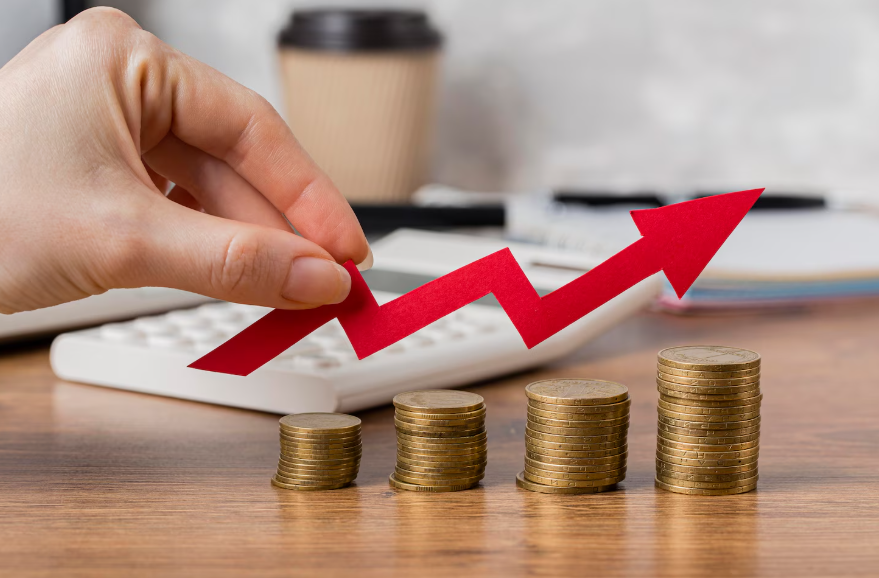
The real cost of lifestyle inflation is not the upgraded apartment or newer car. It is the lost opportunity to build long-term financial security while income is rising.
A raise feels like progress. A promotion feels like validation. Higher income signals that your work is paying off. Yet for many people, financial stress does not disappear as earnings increase. Instead, expenses quietly expand to match income.
What once felt like a stretch becomes the new normal. This pattern, known as lifestyle inflation, is subtle, socially reinforced, and surprisingly expensive over time.
How Lifestyle Inflation Sneaks In
Lifestyle inflation rarely begins with reckless spending. It often starts with small upgrades that feel reasonable. A nicer gym. More frequent dining out. A better neighborhood. Streaming subscriptions that add up slowly. Each change seems justified, given that income has increased.
The danger is cumulative. When fixed expenses rise, such as rent, car payments, insurance, and recurring services, they become the baseline. Future raises are then consumed by maintaining the upgraded lifestyle rather than improving net worth.
Social comparison accelerates this pattern. When peers upgrade homes, travel more often, or post visible markers of success, it normalizes higher spending. The increase feels aligned with your stage of life rather than like a decision that requires evaluation.
Explore Why ‘Treat Yourself’ Can Derail Long-Term Goals to spot small upgrades becoming habits.
The Compounding Cost You Don’t See
The true cost of lifestyle inflation is not the price tag today. It is the opportunity cost over the course of decades. Redirecting a $500 monthly raise toward investments instead of expenses could compound into six figures over time. When raises are absorbed into consumption, that growth disappears quietly.
Consider two professionals who both receive consistent annual raises. One maintains relatively stable expenses and invests most of the income increase. The other expands spending each year proportionally. After ten or fifteen years, their lifestyles may look similar, but their financial flexibility will not.
Financial flexibility includes the ability to change careers, relocate, start a business, or reduce work hours. Lifestyle inflation trades future freedom for present comfort. That trade is not always wrong, but it should be conscious.
See Building Wealth In Your 30s Vs. 40s Vs. 50s to see how spending gaps compound.
The Psychological Pull of “I Deserve This”
Lifestyle inflation is emotionally persuasive because it feels earned. Hard work justifies reward. After years of education, long hours, or high-pressure roles, upgrading the quality of life feels rational.
The key distinction is between intentional enjoyment and automatic escalation. There is nothing inherently wrong with spending more as income rises. The problem arises when spending expands without a deliberate plan.
One powerful reflection question is: “If my income stayed flat for five years, would I still choose this expense?” This reframes the decision away from temporary income spikes and toward sustainability.
Learn The Psychology Behind Impulse Buying when reward spending turns automatic.
Redirecting Raises With Purpose
The most effective way to counter lifestyle inflation is pre-commitment. Before your next raise arrives, decide how it will be allocated. For example, 50 percent to investments, 30 percent to future goals such as travel or home upgrades, and 20 percent to lifestyle improvements.
Automating this split prevents emotional drift. When the increase lands directly in retirement accounts, brokerage accounts, or high-yield savings, you adjust your spending to the remaining income rather than the full amount.
Another strategy is to upgrade in categories that do not permanently increase fixed expenses. For instance, investing in experiences rather than locking into higher monthly payments preserves flexibility. Variable spending can be adjusted later. Fixed costs are harder to reverse.
Check out Financial Minimalism: Spending With Purpose to realign spending with long-term goals.
Building a Lifestyle That Grows Slower Than Income
The long-term goal is simple: let income grow faster than lifestyle. When earnings rise faster than expenses, the gap becomes wealth. This gap is where investing, emergency funds, and financial options expand.
Tracking your savings rate rather than your income can shift perspective. A rising savings rate often indicates that you are capturing more of each raise rather than spending it.
Lifestyle inflation is not a moral failure. It is a natural human response to progress and social signaling. The danger lies in unconscious escalation. When you intentionally decide how much of your increased income to allocate to enjoyment versus future security, you retain control.
Financial progress is not defined solely by what you upgrade. It is defined by the level of flexibility you build. By consciously redirecting raises, limiting fixed cost expansion, and aligning upgrades with long-term goals, you can enjoy growth without sacrificing tomorrow’s freedom.